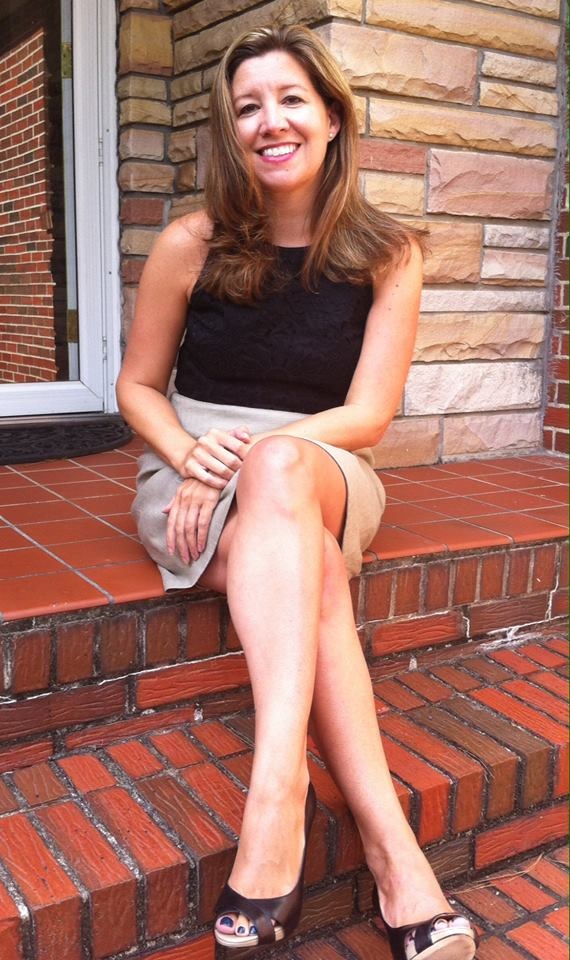
I met Amy Bickers on March 24, 2011, the night of the very first See Jane Write Birmingham event. That night Amy told me about a book she wanted to publish — a memoir. “What’s it about?” I asked jovially. “Well,” she said, “my husband killed himself in front of me.”
I was speechless. I wanted to know how she could survive something like that. I wanted to know how she could ever be whole again. But I didn’t ask her because I knew these were questions only a memoir could answer.
Now four years later, Amy has written that book — The Geography of Me and You: A Memoir — and she’s raising money via Kickstarter to self-publish.
In this candid interview Amy talks about how she found the courage to finally share her story.
When did you decide to write this memoir and how long did it take you to do it?
I kept a journal in the year following my ex-husband’s suicide and writing in it was incredibly therapeutic. Writing everything down as I felt it was a huge part of my healing process.
The idea of a book was always there, though. I’ve been writing since childhood, when I first wrote short stories that were very obvious rip-offs of Sweet Valley High. For me, the best way to give myself peace from something is to write it down. I told myself that maybe if I told the story now I wouldn’t have to spend my entire life rewriting it in my head. It was, in part, an exercise in acceptance.
It took me about a year and a half to complete the memoir. I began it one evening in the summer of 2010 at the Hoover Library in one of the study carrels. Now I can’t remember how many words I wrote that first time, but I remember feeling a great sense of accomplishment. I wrote most of the book in that library or at coffee shops. Cliché, I know! But I cannot write at home unless everyone is gone and all the laundry is done. Otherwise, I’ll just procrastinate, fold clothes, and watch Sex and the City reruns.
What doubts did you face about writing this memoir and how did you overcome them?
The amazing thing is that I never really had any doubts about writing this book. I felt driven to do it. Since childhood, I’ve wanted to write a book, although I always thought it would be fictional, and, as an adult, I always worried a bit about revealing too much (even in fiction). Something about the traumatic experience loosened whatever chains I’d put on expressing myself for so long.
Whenever I did worry about what others would think, I would remind myself that I wanted to share the truth of this experience so that others could know they weren’t alone. I wanted to give people, who otherwise might not understand, a glimpse inside depression and grief and the complexities of grappling with suicide. And I was very focused on sharing that truth from a place of love and understanding for the humanity of everyone concerned.
You’ve described the book as “a memoir of suicide, grief, healing, dark humor, too much cursing, some vodka, and a perfectly healthy fixation on George Clooney.” How did you approach writing about a topic like suicide with the care and compassionate one might assume it would call for while still maintaining a bit of an irreverent tone?
I’ve always been a fan of dark humor. I love Kurt Vonnegut, who had an excellent way of expressing serious things with humor. I love comics like Louis CK who can take something rooted in sadness and make you laugh your ass off about it. I adore Tig Notaro. She did a set about her cancer diagnosis that became sort of legendary in stand-up circles, and it is one of the most raw, funny, real examples of how we can use humor to find a way through the hardest times.
Humor has been my coping mechanism for as long as I can remember. It’s my go-to for alleviating some of the weight of a difficult experience. Plus, it’s a good reminder that things aren’t always going to be so terrible. You can find a way to laugh again. I often call my mom crying and I always, always get off the phone laughing. She’s like a magician. That laughter is a sign that I’ve regained some perspective.
Humor also can be a way to share an experience with someone else while making it easier for them. It can put the other person at ease. I would rather make someone laugh than cry, but if I can make them laugh AND cry, all the better. Feel the emotions, people!
All that said, I write early on in the book about how my go-to coping mechanism was no longer the appropriate one and it left me lost. I had relied on that so heavily all my life. Eventually, I found it again, that balance between grappling with trauma and putting it into perspective with humor. One of the ways I did this, for my children, and myself was to tell them funny things their dad said or did. I wanted them to remember those things, how he danced to “Ice Ice Baby” or made up silly words to country songs, and I wanted them to know they were free to laugh. Sometimes people feel like the rules of mourning are that you must wear black, you must cry, you must never laugh heartily. I say laugh heartily as often as possible, because it is going to give you the strength to make it through the crying you do alone.
Tell us a bit about your writing background.
I began my career at The Times, a newspaper in Shreveport, Louisiana. I spent about seven years there as a features writer. In 2003, I moved to Birmingham to work for Southern Living, where I was a homes editor and then a travel editor until 2010. I’ve also written freelance articles for shelter magazines like HGTV Magazine and Coastal Living. If I weren’t a writer, I would love it if people would just pay me to pick out their paint colors and then paint their rooms for them.
Any advice or words of wisdom for other women who want to write a memoir, especially those struggling to do so because the topic is so difficult?
I think my first piece of advice would be to keep a journal. Write about the experience for your eyes only. And then, when you’re ready, you can refer back to those emotions and experiences you wrote about freely. Remind yourself of the things you said when no one was looking.
Too often we write as if there is an audience already there judging every sentence we put down. There is no better way to stymie your writing voice than to turn every sentence into an imagined public performance. People say of public speaking to imagine the audience naked; writing a memoir is to actually force yourself to be naked in front of a mirror. You cannot write a memoir without acknowledging painful truths about yourself.
Like, yes, you do have cellulite and so does everybody else. No matter what “secret shame” you share about yourself, so many people will say, “Oh, me too!” This is a gift we can give to one another.
So write it the way you want it. No boundaries. For me, nothing was more important than putting the truth into words. Too many people try to make things a little glossier, a little flashier, a little more socially acceptable. I wanted it to be real.
My other piece of advice is, if you have experienced something traumatic, to go to therapy. Therapy was incredibly helpful to me and it helped me to say aloud the things that kept me up at night, to have someone else say those things back to me and make me see how hard I was being on myself.
Take plenty of breaks! Unless you already have a book deal – and if you do, shut up, don’t talk to me, I’m kidding, I’m so happy for you – there is no deadline. Don’t tell yourself you have to get it all down in a month or a year or even two years. If you need to take a two-month break to do nothing more than drink cocktails on the back patio with a cute guy all summer, do it. OK, yes, I did that. I needed a break from all the thinking and feeling. And I gave myself that break. When I was ready, I came back to the story I needed to tell.
Over the course of this, I’ve given myself several breaks along the way. Somehow, during those breaks, I was finding my way back to being the person I want to be.
Your Kickstarter campaign has been a huge success. What do you think you did right to promote it and why do you think so many people were willing to back this project?
Over the past week, I’ve joked a few times that the key is to “Write a blog and, in that blog, be sure to whine for three years about how no agent will take you on as a client.”
And that’s really just a funny way of saying what is true, and what is the most annoying phrase writers will hear today, and that is “Build a platform.” My blog readers are loyal and ready to support this book. And that only happened over time by sharing my story, my love for George Clooney, my taste for vodka and cranberry cocktails, in bits and pieces on the blog.
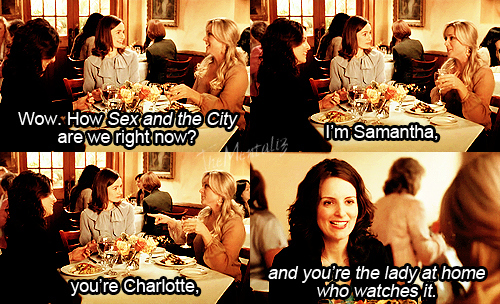
Once I knew I was going to do a Kickstarter, I did a lot of research. I looked at successful Kickstarter campaigns. I looked at unsuccessful Kickstarter campaigns. I watched videos. I read article after article about what to do and how to do it. And only after I’d done all that for months did I begin my own campaign. This sounds like I’m very organized, but this process was probably two-parts preparation, one-part procrastination. Sex and the City airs daily on E!
I mentioned before that I love to paint rooms (crazy, I know) and I always say that prep work is the secret to a good paint job. It’s no different for Kickstarter. Prepare your product, prepare your pitch, prepare your emotions. It’s a roller coaster, to say the least. I have been overwhelmed and humbled by the success of this. The first day, I burst into tears every time a pledge came through.
The best piece of advice is to build a team of people who believe in you and believe in what you’re trying to accomplish. Have people in your corner who are ready to celebrate with you or comfort you.
What other advice would you offer to aspiring authors?
If you’re thinking of writing about something, do it. Just begin with one sentence, even if that sentence is only “Once upon a time this really crappy thing happened.” The rest will come. Eventually, you’ll find yourself looking at a word count that seems incredible. It’s really kind of thrilling. It’s like adding steps to your pedometer! (I just got a Fitbit and I’m obsessed with my step count.)
If you need a break from writing, take it. Be kind to yourself. Self-care is vital in a world so full of expectations and rushing about. Write your book for you first. Forget everyone else.
If you become discouraged, wallow in it a bit. You’re allowed. The world is full of dumb celebrities writing dumb books and getting huge, dumb book deals! Rant and rave and curse. (I love cursing.) But then try again. If one road is blocked to you, stomp your feet a bit and then find another path.
I like to listen to a certain Ludacris song when I’m angry as hell and I can’t take it anymore. I highly recommend this. I believe the best way to tackle any challenge is to enter it the way Ludacris enters a song – with boldness and by telling the world your name. Luda!
When you ask yourself “Why bother?” remember this quote from Kurt Vonnegut in response to that question: “Many people need desperately to receive this message: ‘I feel and think much as you do, care about many of the things you care about, although most people do not care about them. You are not alone.'”
Amy Bickers’ Kickstarter campaign ends May 14. Click here to make your contribution today.
]]>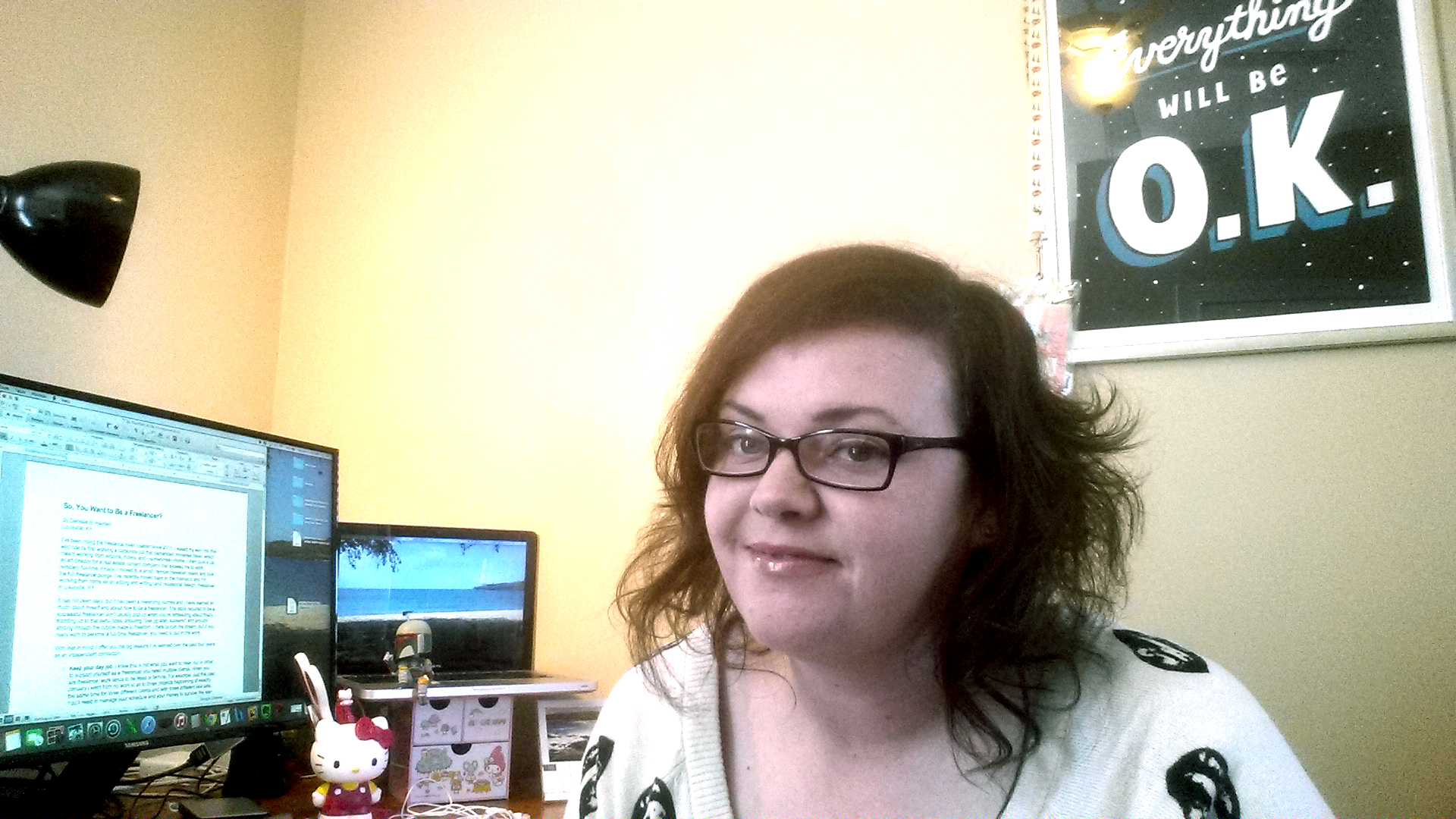
I’ve been riding the freelance roller coaster since 2011. I eased my way into this wild ride by first working a corporate job that demanded immense travel, which meant working from airports, hotels, and—sometimes—home. I then took a job as art director for a real estate content company that allowed me to work remotely full-time. Finally, I moved to a small, remote Hawaiian Island and took the full freelance plunge. I’ve recently moved back to the mainland and I’m working from home as an editing and writing (and occasional design) freelancer in Louisville, KY.
It has not been easy, but it has been a rewarding journey and I have learned so much about myself and about how to be a freelancer. The skills required to be a successful freelancer don’t usually pop up when you’re fantasizing about finally standing up to that awful boss, shouting “See ya later, suckers!” and proudly striding through the cubicle maze to freedom. I hate to ruin the dream, but if you really want to become a full-time freelancer, you need to put in the work.
With that in mind, I offer you the big lessons I’ve learned over the past four years as an independent contractor:
Keep your day job. I know this is not what you want to hear, but in order to support yourself as a freelancer you will need multiple clients. When you are freelance, work tends to be feast or famine. For example, just this past January I went from no work at all to three projects happening at exactly the same time for three different clients and with three different skill sets. You’ll need to manage your schedule and your money to survive the lean times. It has taken me four years to build a reliable stable of clients: some offer frequent work, some I hear from quarterly, and many (especially friend-of-friend referrals for things such as wedding invitations) are one-time deals. I heartily recommend you start building your client and referral network before you leave a reliable paycheck and health insurance.
It may rain Benjamins, but it won’t rain bennies. Harsh reality but true, my freelancing friends. (And, really, it rarely rains Benjamins, either.) You will need to organize your own:
- Health benefits: Good news there as this got a whole lot more affordable thanks to the Affordable Care Act. Thanks, Obama! (Seriously, pre-ACA, did you ever look at the premiums for COBRA self-insurance? Just take my first-born child, please! Who could afford that?)
- Retirement savings: You’ll need to investigate and invest in your own 401(k), IRA, or other savings plan. You’ll also probably want to start saving money more in general to address that whole feast/famine freelance thing.
- New tax obligations: You will owe Uncle Sam more money without an employer offsetting and managing your tax contributions—it’s called self-employment tax and it totally blows. I set aside between 35 and 45 percent of my income to pay taxes. Usually, I make quarterly payments in advance. Talk to an accountant, who will become your best friend and commiserate with you about how poorly 1099 workers are treated in the tax world, regardless of actual income.
- Vacation: OK, so this is actually the good news! As your own boss, you get to decide when to work and when to sneak away for a week with your girlfriends to sip bourbon on the beach. Two weeks of vacation a year? I don’t think so! More like two months! The tough part: Making enough money to afford to go on vacation. I rarely turn down work because of that whole feast/famine issue. My time off usually just means I get to spend more time painting, reading or exploring my city. It takes a special planetary alignment to have money and time off at the same time in this line of work, but it does happen and as I’ve stuck with the freelance path, it has gotten easier and more financially rewarding.
Networking will be your life. Saddle up, Sally – get ready to schmooze your way through cocktail parties, conferences, online groups and old Facebook friends. To build clients, you must promote yourself and charm people—offline and online. Just remember, I said, “charm,” not strong-arm or bore-to-death people you know tangentially. Your ability to engage potential clients is crucial. I belong to multiple writing and editing societies, forums, and groups. I pay dues, I wade through emails full of tips in search of ideas to apply to my own business, and I’m always looking for new clients via organizations, websites, and more. It’s part of the job when you are a freelancer: You need to build social networking and self-promotion into your workweek.

You’re the IT Guy. You want to be a writer (or editor or other) on your own terms. You want freedom from a patriarchal, dismissive corporate culture that feels toxic, unfair, and unappreciative. Maybe you just want the freedom to wear flip-flops every day. I don’t judge. But know this: You will be getting a crash course in repairing modems, Wi-Fi routers, laptops, keyboards, VPN issues, monitors, printers, Word crashes, and more. You will spend a lot of time Googling technical issues and using the Internet as your IT bible. And you will do it on deadline. And you will curse the technology gods. And you will run out and buy new and expensive office equipment at 8:45 p.m. on a Tuesday because you are the only person responsible for making sure your work is done and delivered. Personally, I love technology and I am drawn to writing and editing work that involves IT and networking and computer science—but you have to drop the whole “I can’t do that!” attitude and embrace your inner AV nerd. “JFGI” will become your mantra—and I recommend you Google that.
You need a website. As mentioned above, I’m comfortable with technology, so I built my own website. With the wide array of cheap, user-friendly website-building tools available online these days, you have no excuse for NOT having a website. My site serves several purposes: I sometimes use it to blog about things related to writing and editing, and I try to keep it light and playful, but still educational and professional. I never write about anything personal since this is my work website, not my “OMG! I LOVE BOURBON” website. I use it as a calling card, giving potential clients the URL. I use it to connect my multiple social network accounts (just the professional ones) and I use it to promote myself, sharing details about my resume, positive feedback from previous clients, and more.

Pick a Platform. Really, you’ll probably need most of them, from Twitter to Facebook, LinkedIn, and even those wacky Google+ Circles. You need to build a professional online version of yourself across multiple social networks. It’s a great way to find clients, referrals, and job sites, and to connect with other freelancers. It’s also—in 2015—an absolute requirement. You are e-schmoozing.
Time management. This is so important. I mean, it’s an art, a science, a religion, and the reason there are so many books, apps, and articles out there to help you manage your time. As a freelancer, nobody is checking your hours; nobody is guiding your schedule or verifying your progress on a project. It’s just you. I started in newspapers, so I have a deadline-oriented mentality; my biggest challenge was figuring out how to translate daily deadlines to monthly projects. It was a bit tricky at first and I put in a lot of late nights to make sure I met long-term deadlines in the first year. These days, though? I’m a master. I plot out my projects using online calendars and project-length to-do lists, breaking the work down into daily goals and weekly deliveries. I have my weekends off after three years of manic, panicked last-minute pushes thanks to taking time management seriously. It’s partly about putting in the organizational work and partly about realizing that you must separate your freelance work life from your personal life or risk your sanity. Defining work time and you time is a big challenge when freelancing. Most freelancers work from home, so delineating personal and work spaces is important. I have a home office upstairs and I find that physically walking upstairs to go to work helps focus my mind, while walking down those stairs at the end of the day helps me relax. You set your hours; the hard part is sticking to them. Only in the last six months have I finally committed to ignoring emails between 8 p.m. and 9 a.m.
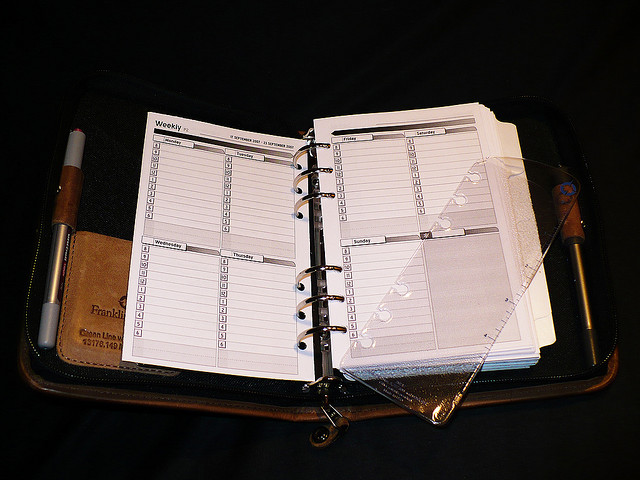
Get organized. Speaking of organizing your time, there is so much more you’ll need to be on top of as a freelancer. When I first started, mainly as an editor, I already had experience working remotely so I was familiar with Google Drive, Dropbox, Basecamp and other software that can help you track documents, projects, and versioning. On top of being very smart about how you organize project files on your computer (think about versioning, easy access, and a system that will help you locate a specific answer to a question that pops up three weeks after you finished the project), you need to track your income for tax purposes, your upcoming work schedule, your home office costs, your actual working hours for various projects and clients, your data usage, your communications, your invoices, your account passwords, etc. I record my income, outstanding invoices, and my hours using spreadsheets. I use a combination of paper and electronic files to organize my work and correspondence, though I have been moving towards electronic more in the last year. Since it’s just you at your business, you have to be ready to account for your work, your communications, and your history with dozens of different clients. And you have to consider legal and NDA (non-disclosure agreements) issues when talking to anybody about your work. My general rule: I don’t name names, ever.
Be professional. It’s all riding on you. Your work, and your behavior, represents your business and affects whether a client will want to work with you again. Being sure to communicate clearly and regularly via email/Skype/phone is important. I prefer a playful and collaborative tone in my freelance communications, but I never use humor in written comms until after I’ve spent some time on the phone, in person, or in video chats with clients. Once they know my personality, my humor—always professional, never self-deprecating, complaining or distasteful—can be a great tool for connecting with clients, especially if we’re both under deadline. My ability to work quickly and efficiently under pressure, to meet deadlines, to produce clean copy, to voluntarily take the extra steps to the best job I am capable of… all of this is facilitated by my sense of humor. Except when it isn’t! I have worked with many people who do not see a place or a need for levity in work. I don’t understand these people, but I make every effort to conform to their tone. As a freelancer, while you may feel like you are boss-free, in reality, every client is your boss. You are always working to make their jobs easier, to provide great work, and to help them improve processes and workflows on their end. Professionalism must be reflected in everything you do, from your personal appearance in video chats to your business website and your phone voicemail message.
Get dressed. Oh, sure, in my early years of remote work and freelancing, I spent many a week un-showered, letting my teeth gather fur as I typed away in yoga pants and t-shirts. Please learn from my mistakes. If you are going to freelance, you must get dressed every day that you are working. Much like having a separate workspace, putting on “real” clothing helps you get into work mode and actually get things accomplished. A woman in her PJs at 4 p.m. on a Wednesday is a woman who is more likely to do the dishes or fold laundry. Whereas a woman who is dressed up, made up, and smiling with a sparkly, minty mouth of clean teeth is far more likely to actually be at her desk working on the project due Friday morning. You don’t have to shower every day (I love TRESemme’s Fresh Start Volumizing Dry Shampoo for sprucing up my un-showered hair up for an early-morning video call.), but you need to get out of your sleepwear and into daywear every day.
Know your value. This is especially meaningful for me, because when Javacia asked to interview me, I was somewhat dismissive and self-deprecating about my freelancing career, and putting myself down a bit. I realized after we talked that I was undervaluing the great lessons I’ve learned, the careful and conscientious—and just plain good!—work that I do. I genuinely care about every project I’m involved in and my big problem is taming my work ethic, not growing it. I’m still standing after all the hard lessons, lean times, and maddening deadlines. And more than that, I’m experienced and in demand as a writer and editor. I’m living the dream. But, aside from emotional value, I want to touch on your actual monetary value. It will depend on your field, your experience, and the specific work you are being asked to do. One thing I know many freelancers do at the start is undercharge. Do your research to find out what the going rate is for the work you’re being asked to do, and not just online but reach out to other freelancers and headhunters for input. Negotiate your fees if you want to—I will for charity or to support anything education-related—but don’t apologize for them. I can’t tell you how many friend-of-a-friend referrals I got for somebody’s aunt who “just wrote a book” and needed an editor. I would offer the reduced friend-rate, but old “aunt author” hadn’t done any research into what editing actually costs and after receiving my estimate would never contact me again! (Rude.) Know your audience, know your value, and know how much you can afford to charge. I have worked on projects, especially in the beginning, that wound up earning me $10 an hour. Remember, I’m paying almost half my income to the IRS so that meant I was really making about $6.50 an hour. Never again. It’s up to you to know how much money you need to make to break even. It’s also up to you to know when to walk away. After all, you’re the boss.
Danielle Hayden is a freelance writer and editor who transforms technology and business info into engaging, relatable content. Danielle, who has a background in both journalism and software, has been freelancing since 2011 and has worked on a wide array of topics and media, from computer networking course development to book editing to web site copywriting and editing and much more. Learn more about her work at http://dbhediting.com.
]]>
What would you do if you weren’t afraid?
I have a long list of answers to this question: do a one-year blogging challenge, write and publish a book, strive to run a profitable small business, launch a Kickstarter campaign. But my list could be summed up with one statement: Be Carrie Rollwagen.
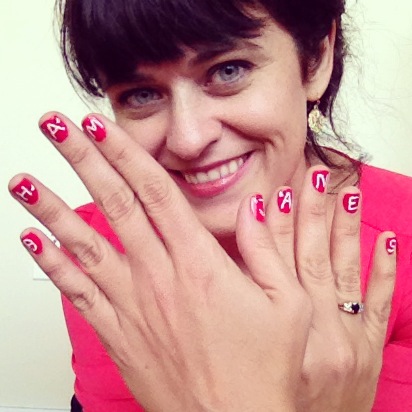
Rollwagen is a small business owner, a prolific blogger, a social media guru and much more. She also has the cutest nails in town. And now she’s about to add something else to her resume — published author.
Rollwagen, co-owner of Church Street Coffee and Books and the writer behind the Shop Small blog, is now about to publish The Localist, a book that’s all about shopping locally. Rollwagen decided to self-publish the book and recently launched a Kickstarter campaign to help fund her project. She reached her fundraising goal in less than a month!
I had a chat with Rollwagen recently — at a locally owned coffee shop, of course — about her book project and her secrets to success.
Becoming a Localist

Rollwagen’s interest in local shopping began when she managed a small book store in Mountain Brook. She believed that the camaraderie she experienced at that store was unique to locally-owned shops. But then she worked at Starbucks and found the same sense of community there as well. Rollwagen, a former full-time journalist, wanted to investigate.
“I’m a frustrated journalist,” she says.
And so in 2011 she challenged herself to only buy from locally-owned stores for one year. She launched the blog Shop Small to chronicle her adventure.
Rollwagen admits that she thought her “Shop Small” challenge would be extremely difficult and extremely expensive.
She was wrong.
“I spent far less money that year than I usually do,” Rollwagen says.
She explained that when you shop small there’s less of a chance for impulse buying. There are very few, if any, displays set up in locally owned shops to entice you to purchase things that aren’t on your shopping list. Furthermore, because local shops weren’t as easy to get to as big box stores, Rollwagen would often talk herself out of buying things. And she wasn’t eating any fast food.
Finding stores at which to shop was easier than she expected. She often found what she needed simply by asking friends or doing a quick Google search. Rollwagen was even able to go to the movies thanks to the Birmingham-based theater The Edge opening that year.
What was Rollwagen’s conclusion after this year of shopping small?
“Local is almost always better,” she says.
Rollwagen is a localist, but she’s also a realist and she makes no claims that small business owners are somehow better people than the owners of big box stores.
“It is in the financial interest of a small business owner to be a nice person,” she says. “Small shop owners have a better incentive to treat people well and build community.”
If you have a bad experience at Target most likely you’re going to go back to Target nonetheless and even if you don’t chances are the Target employee you had a bad interaction with doesn’t care. Small shop owners know that it’s good customer service and a sense of community and camaraderie that will bring you back.
While Rollwagen doesn’t recommend that other people take on her extreme shop small challenge, she does stress that we should all buy local as often as we can as this is a great way to improve your community.
As Rollwagen explains in her Kickstarter campaign video, for every $10 spent at locally owned stores four to seven dollars goes back into your community. When you shop corporately only three dollars, at the most, goes back into your city.
Think of the local place first, she says. Amazon doesn’t pay taxes in your state.
Deciding to Self-Publish
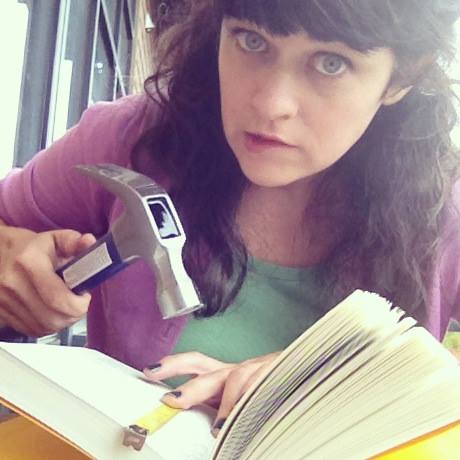
Rollwagen admits that she hasn’t been a fan of self-publishing in the past — and for good reason. As many avid readers know, a book needs good editing, good design and a good marketing campaign to be successful. Most self-published authors don’t have all these skills or the resources to hire someone who does.
But Rollwagen’s book is centered on Birmingham and she thought a book a that was this, well, “localist” wouldn’t appeal to traditional publishers.
“Just because it doesn’t have a national market doesn’t mean it shouldn’t exist,” she says.
Rollwagen’s Shop Small blog was quite successful thanks to her fresh, informative content and effective social media marketing. But she knew she had more to say.
“I wanted to tell this story in a new way,” she says.
So she decided to write a book and self-publish it.
The book is part memoir, focusing on her life as a localist and even offering a few tips on how people can shift their own shopping habits to support small businesses more often.
The book is also a study of buying patterns — why you like big box stores, why they’re not all bad, and the effects of our shopping on us as individuals and on our communities.
The book also offers a behind-the-scenes look into Church Street Coffee and Books.
To ensure that her self-published book would be of high quality, Rollwagen launched her Kickstarter campaign to raise funds to hire an editor and designer.
How to Rock Your Kickstarter Campaign
Rollwagen reached her fundraising goal of $5,000 in less than a month. Now she’s working on her stretch goal. She’s hoping to raise an additional $3,000 so she can go on a book tour to spread the localist gospel to other towns.
Rollwagen offered these tips on how to run a successful Kickstarter campaign:
- Apply the tips that Kickstarter gives you and look at projects similar to yours for promotion ideas.
- Produce a great video and in it be sure to convince people that your project is something that you can actually do. Also, explain exactly how you plan to use the money.
- Have enticing and creative rewards and be sure to include their cost in your project budget. One of Rollwagen’s rewards was nail art! For a donation of $10 or more, Rollwagen would decorate her nails with the name of your company. Nail art was a perfect way for Rollwagen to help promote her project because whenever someone would say “Oh, I like your nails!” she could strike up a conversation about her Kickstarter campaign.
- But these conversations could only happen if she was out and about. So Rollwagen’s other piece of advice is to be sure to network during your campaign. And carry business cards that include a URL for your campaign.
The Birmingham Jane is a See Jane Write series of profiles on women in Birmingham who are making a difference in our city. If you know of a woman who is making a difference in Birmingham please send your nominations to javacia@seejanewritebham.com. And don’t be ashamed to nominate yourself!
This story was originally posted Oct. 6, 2014 at SeeJaneWriteBham.com.
]]>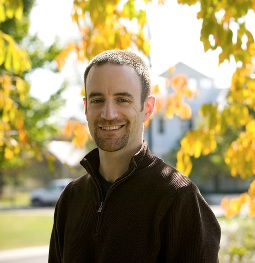
Though TJ Beitelman is a published author and poet he often refers to himself as “a frustrated visual artist.” As soon as you begin to read his latest novel John the Revelator you will understand why. The book is packed with rich images that captivate you, pull you into the story, and haunt you in your dreams. Black Lawrence Press, Beitelman’s publisher, describes the book this way:
Part reluctant Tiresias, part locusts-and-honey outcast, teenaged John stumbles into the darker thickets of human insight—the high arts of vice and violence—and the small Alabama town he calls home will never be the same when he comes out the other side.
Beitelman is a native of Virginia and though he has lived in Alabama for 18 years, he admits that it has taken a while for the state to feel like home. John the Revelator, oddly enough, has helped.
“For that novel in particular the sense of place is so important,” Beitelman says. “It was a way for me to connect with this place and to put my emotional truth squarely in this place.”
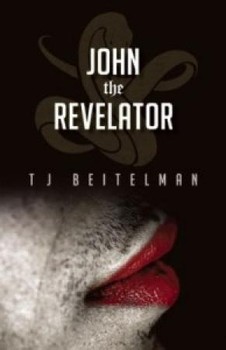
Each scene of the book plays out in your mind like a movie reel. So I wasn’t surprised to learn that Beitelman first wrote John the Revelator as a screenplay.
The idea for the novel was born of a short story titled “Tiresias the Seer” that was published in 2004 in the New Orleans Review. First, Beitelman tried to expand the short story into a novel, but with no luck. Then he got another idea.
“I’ve always wanted to write a screen play and I also subscribed to the theory Alfred Hitchcock once said that films are more like short stories,” Beitelman says. “So I figured maybe I will go back to the original short story and try to make that into a screenplay.”
Beitelman completed the screenplay but then considered the reality of both the film and publishing industries. He knew it would be much harder to produce a screenplay than it would be to get a book published.
“I thought this might be an outline for the novel,” he says. “So I went back through the screenplay and fleshed it out into a novel and it worked. I wouldn’t recommend that process. It took a long time and it was very frustrating and I probably wouldn’t do it again, but it worked.”
Along with its rich imagery, John the Revelator also has a distinct lyrical quality that you would expect from Beitelman considering he has an MFA in poetry from the University of Alabama.
“Things like how it looks on the page is important to me and white space is important to me,” he says.
Furthermore, Beitelman says he typically writes his narratives in pieces. The “frustrated visual artist” says he would even describe John the Revelator as a collage.
“There are different voices in the book,” Beitelman says, “So it’s a collage of voice as well as narrative and images.”
As a high school student in Springfield, Virginia, Beitelman took all the visual arts classes he could as they were the only creative outlet at his school. Though, he admits he wasn’t the greatest artist in the class, he appreciated that his teacher treated all the students like artists and took their work seriously.
“I still think of my teacher and the things he said about visual arts,” Beitelman says. “He always used to say that if you’re going to draw a crooked line on purpose, make sure it’s really crooked. Otherwise people are going to assume you were trying to draw a straight line and you couldn’t do it. It’s surprising how applicable that is to all forms of art.”
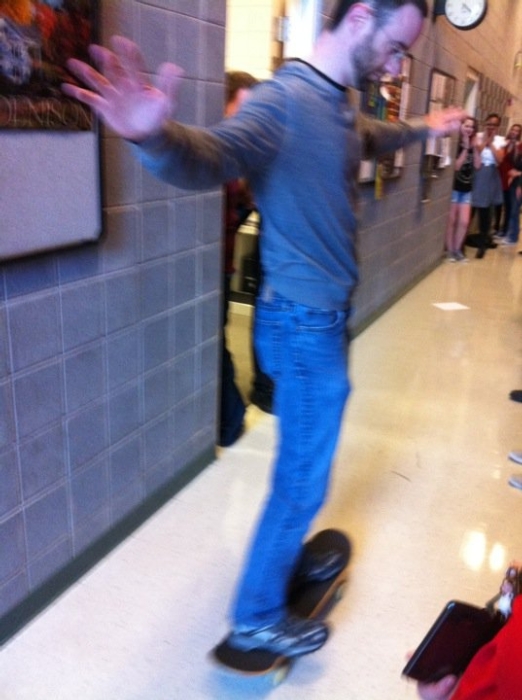
Beitelman teaches creative writing at the Alabama School of Fine – a public institution in Birmingham, Alabama for gifted junior high and high school students. I teach English at the school and, in the interest of full disclosure, I should tell you that Beitelman is one of my favorite colleagues.
Curious, I wanted to know how Beitelman found time to write while working such a demanding full-time job.
“Early on I felt like I had to have the Stephen King attitude towards it where you have to write a certain amount every day,” Beitelman admits. “I thought that was the only valid way to be a writer. I discovered I am the other kind of writer. There’s at least two. There’s that writer that sits down and invites the muse to come every day and it’s very compelling when you hear that, but I’ve been doing this for 20 years now and I have produced work and I am the type that writes in bursts. I need a burst to create raw material and then I tinker with it for a long time.”
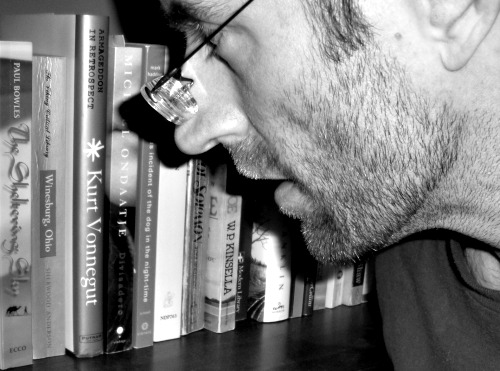
For writers stressing about not writing daily, Beitelman says you should let yourself off the hook.
“I don’t worry myself over when I’m not writing anymore because I feel like the stuff that happens when I’m at the keyboard is only 10 percent of it,” he says. “Ninety percent is feeding the process.”
Beitelman says he feeds his writing process through reading and traveling and even doing things as simple as taking walks.
“Mostly it’s something more nebulous and vague than that,” Beitelman adds. “It’s a mindset of not turning off the impulse to the create something. I filter everything through that creative impulse. So there’s a permeable wall between the real world and the art you make from it.”
Javacia Harris Bowser is founding editor of See Jane Write Magazine.
For our Man of the Hour feature we take down the “No Boys Allowed” sign and share stories of men who are doing great things in the writing world. Send your nominations for Man of the Hourto seejanewritemag@gmail.com.
]]>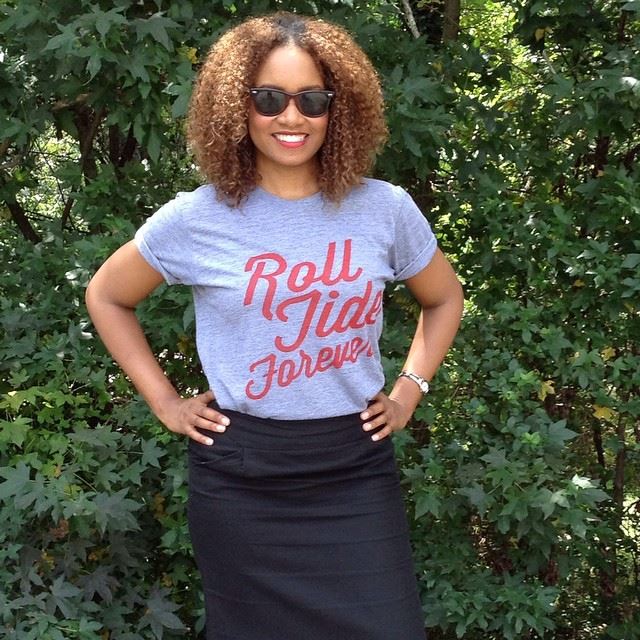
Last month fashion blogger Alexis Barton of SameChicDifferentDay.com made an important announcement on her website and social media channels. This particular announcement wasn’t about a new line of designer duds or about fall fashion trends. Last month Barton announced that she was going back to school.
Barton is now attending a graduate program in community journalism at the University of Alabama. The program, “encourages students to think critically about the role news plays in community and to explore new ways to serve communities through the evolving practices of journalism,” Barton says. And she believes this program is the next step in her journey as a digital storyteller.
Barton has maintained her popular style blog for three years. Her personal style tips also have been featured in The Birmingham News, Skirt.com, Life and Style PR and on WBHJ 95.7 JAMZ. Barton has appeared on ABC 33/30′s Talk of Alabama, CBS 42′s Wake Up Alabama and a number of other television programs. Barton has been named a 2013 Role Model by the Girls Scouts of North-Central Alabama and this year was named a Birmingham Trailblazer by The Birmingham Times. She has worked with the Council of Fashion Designers of America, H&M, Girls Inc., Macy’s, Belk, and many other non-profits, businesses and brands to help make the world a more stylish place.
But Barton has more to do and she believes education is the key to unlock the doors she wants to strut through in style.

One year ago today I launched this online magazine for women who write and I was so excited that I threw a big party and invited everybody in Birmingham. We had a great time.
And then we had a great year producing fun and informative content.
Kim Herrington showed us how to guest blog successfully, how to make a living as a writer and how to better manage our time.

For her popular “Talk Nerdy to Me” column Clair McLafferty chatted with the Baker Street Babes for all you Sherlock Holmes fans, shared musings on the lack of complex female TV characters, and, Game of Thrones fans, she even gave you blogging tips from the Mother of Dragons, Daenerys Targaryen.
Mandy Shunnarah gave us a lesson in bookstore feminism and shared her love for great books like A Partial History of Lost Causes and Loving Frank.
Tanya Sylvan showed us how to create a home gym on a writer’s budget so we could get in shape and gave tips on how we could get our blogs in shape too.
Chanda Temple interviewed authors like Anne Riley and Sherri Graves Smith and gave us fashion tips too.

Christy Turnipseed kept us hungry with her recipes for chicken enchiladas, creole crab dip, Cajun shrimp and pea risotto and more.
In one of our most popular posts, author Stephanie Naman shared eight tips for how to use social media to promote your book.

I’ve been busy too! In April I launched The Birmingham Jane series, meant to celebrate women working to make my city a better place. I also had the chance to chat with some of my favorite bloggers like Britni Danielle and Heather Brown and even famous bloggers like Demetria Lucas of the show “Blood, Sweat & Heels.” Two of my favorite pieces to write were Five Lessons Women Writers Can Learn From Beyonce and my profile of Carla Jean Whitley of Birmingham magazine.
Now we stand at a crossroads with See Jane Write Magazine. I launched this publication to be an online resource and community for women writers after I received so many emails from women of cities outside Alabama asking me to launch an organization like See Jane Write Birmingham in their towns. But those requests are still coming in, despite the launch of the magazine, and, meanwhile, See Jane Write Birmingham is growing in ways I never imagined.
Thus, I’m not sure what’s next for See Jane Write Magazine. I’ve considered making this a publication for all women in Birmingham — not just those who write. But I’ve also thought about simply sticking to my original mission.
So I’m reaching out to you for help. If you are a woman who writes and blogs or a woman in Birmingham, tell me what you want from an online publication. Please leave your thoughts in the comments.
This next year is all about you!
]]>
Seanan McGuire is one of the most prolific modern-day science fiction novelists. In the past two years, she’s published six (full-length) novels, written a few others and composed many short stories. Last year, she was nominated for five Hugo awards. Most impressively, she did it all while holding down a full-time office job.
Earlier this year, a friend gave me Feed, the first book in the Newflesh trilogy. Published under McGuire’s pseudonym/darker alter ego Mira Grant, this novel focuses on a team of bloggers chosen to cover a presidential election. In a world where zombies are a fact of life, this assignment could – and does – go wrong pretty quickly. I read the entire trilogy in less than a week.
I recently spoke with McGuire via email. Her newest novel, Half Off Ragnarok, was just released on March 3.
Clair McLafferty for See Jane Write: I heard you quit your day job! When did that happen? How awesome is it to be out?
Seanan McGuire: My last day at the day job was January 15th, 2014, and it has been so awesome. So, so awesome. I’m actually sleeping again, which is a miracle, and I now feel like I can sustain my current pace for a lot longer, and with a lot less damage to my psyche.
SJW: I’ve read that you’re a horror movie and epidemiology nerd. How did these subjects first catch your attention?”
SM: I’ve been watching horror movies for as long as I can remember–literally. One of my first memories is of watching Alien with my uncle, who had a very curious idea of what as appropriate for toddlers. I was sick a lot as a kid, and I got extremely interested in viruses. I could either be scared of them, or I could love them completely. I went with the latter.
SJW: Which is more likely: end of the world by massive power grid or zombie virus?
SM: Neither. Economic collapse leading to social unrest, coupled with the dawn of the post-antibiotic era.
SJW: What personal guides to surviving the zombie apocalypse would you recommend?
SM: I don’t really have any personal guides to recommend. I mean, I love reading them, but I haven’t tested them, and everyone has a different starting point. Just prepare for your local area and the challenges it’s likely to face. Earthquake/zombie kits are never a bad idea.
SJW: What skills would you add to a survivor group during the initial outbreak?
SM: I own a lot of machetes, can identify most edible plants in North America, and I’m really good at dealing with snake bite.

SJW: Your works as your given name, Seanan McGuire, have a lighter and slightly more supernatural bent. What mythological, fictional and historical references have you used to write works like the InCryptid series?
SM: All. Of. Them. I don’t discriminate when it comes to my cryptids.
SJW: What are some of your personal fandoms?
SM: Right now, Haven, Sleepy Hollow, Elementary, Monster High, Doctor Who, and So You Think You Can Dance.
SJW: What advice would you give to writers and bloggers looking to pursue their passions full-time?
SM: Don’t quit your day job until you can pay your bills with your royalties, after deducting the appropriate amount to pay your annual taxes.
Clair McLafferty is the author of our geek girl culture column Talk Nerdy To Me. When she isn’t writing, Clair can usually be found nerding out on programming, cocktails, physics, comics and movies. Some of these interests spill over into her writing at clairmclafferty.com and on to her Twitter feed @see_clair_write.
]]>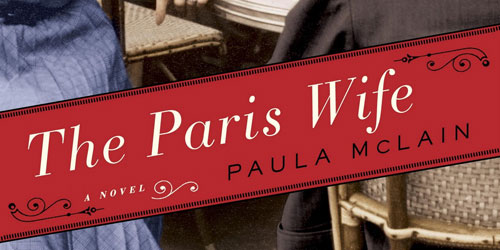
Maybe it’s just me, but in my recent trips to bookstores, I’ve noticed an inordinate amount of “wife” titles in the fiction section. The Aviator’s Wife, The Paris Wife, The Time Traveler’s Wife, The Senator’s Wife, Ahab’s Wife, The Shoemaker’s Wife… and a Goodreads search of “wife” will yield many more.
My initial reaction was to slap my forehead in frustration at the sheer number of fictitious tales of women defined in opposition to their husbands, rather than the exploration of their personal identities. My frustration mounted with the realization that nearly all the authors were women. I’ve read enough feminist blogs and articles on the Huffington Post’s Women’s section to know that women who are also wives and/or mothers can feel they lack personal identity, especially when being called “so-and-so’s mom” or “so-and-so’s wife.” I felt there could be no other explanation for the wife fiction phenomena than female authors caving in to social pressures to subvert women’s wills or imply women lack intrinsic value in absence of a husband.
Like any good frustrated feminist bookworm, I did some research. I started reading “wife” books. But I was pleasantly surprised at what I found.
The female protagonists in the books weren’t at all what I expected. They weren’t lacking personal identity. Rather, their fierce individualism shone in spite of society relegating them to the strict, gendered role of wife. It’s well documented that, all too often, women have been written out of history, and these fictitious accounts allow readers to empathize with the woman, thereby giving her a voice.
For example, The Paris Wife follows Hadley Richardson, Ernest Hemingway’s first wife, during the time they lived in Paris in the 1920s before Ernest had really made a voice for himself. In the end, Ernest leaves Hadley for another woman (this is said on the book jacket, so it isn’t a spoiler). Being a famous writer, I doubt he was harshly chastised for this (celebrities still get off with a mere slap on the hand), yet the book illustrates what that must have felt like for Hadley.
Likewise, I read that Ahab’s Wife was conjured from a passing mention of Ahab’s wife in Moby Dick. I realize that Hadley Richardson was indeed a real person and Ahab’s wife Una was fictitious, but Ahab’s Wife still provides an important rendering of womanhood in nineteenth century America.
It seems that, counterintuitively and contrary to my initial reaction, these fictitious accounts from the wives’ point of view are showing the value of the female experience and fighting against the sexist biases of historic accounts. The eras may be past, but my hope is that these novels will make readers think of them more broadly. You know what they say, better late than never.
Mandy Shunnarah is a freelance writer and editor, and an aspiring novelist. When she’s not writing, she can be found reading, learning to letterpress, watching Downton Abbey and Game of Thrones, and finding stray cats to cuddle with. Follow her on Twitter at@fixedbaroque and @awhitewrites.
]]> If you were to ask me the best book I’ve read in the past two years, I could tell you without thinking about it. Yet, as much as I have loved A Partial History of Lost Causes by Jennifer duBois, I’ve actually avoided writing a book review about it. It’s not because I want to keep it to myself, but because I was afraid I wouldn’t be able to adequately articulate just how much I love this book.
Despite listening to a myriad of book podcasts and keeping up with a number of book news websites, I’ve heard nothing of A Partial History of Lost Causes from any sources. I found the novel one day while in Square Books in Oxford, Mississippi. The book wasn’t displayed prominently on a table. It wasn’t featured in the store’s newsletter. It wasn’t chosen as a staff pick. I was walking past a row of shelves and it called to me.
The novel follows Irina Ellison, a thirty-year-old working toward her Ph.D. in Russian literature at Harvard. She fears she has inherited Huntington’s disease, which claimed her father’s life. When her father’s mind was still intact, he admired Alexandr Bezetov, a young Russian chess prodigy who later became world chess champion. When shuffling through some of her father’s papers after his death, Irina finds a copy of a letter written to Bezetov asking him a poignant question—how do you proceed gracefully in a lost cause? This discovery propels Irina to leave everything behind to find Bezetov in Russia. Her father never received an adequate answer, and Irina feels she must retrieve it, for her father and for herself.
A Partial History of Lost Causes is literary fiction of the best kind. While every sentence is crafted into a museum-quality work of art, it’s not off-putting by being intentionally difficult to read in order to uphold the dignity of the literary arts. It reads like a story written by an author who knows she has nothing to prove. And duBois doesn’t—I mean, she recently won a MacArthur Genius Award for pete’s sake…
What drew me into the novel was that without an ounce of magical realism, Irina embarks on an adventure—both literally and of self-discovery—that doesn’t hinge on a romantic relationship. And although her journey doesn’t lead her to a concrete answer for how to proceed gracefully in a lost cause, she learns so much along the way that, as the reader, you hardly notice that she doesn’t technically succeed in her quest. In truth, there are no concrete answers to life’s toughest questions because the answers are different for everyone’s experiences. For this reason, I appreciate that duBois didn’t try to fabricate an answer because it would have ruined the novel with its dishonesty. And, contrary to what the fiction genre implies, it’s heavily rooted in the truth.
Furthermore, because of the circumstances of Irina’s health, she presents herself as cold and standoffish since she fears making human connections knowing she may not be around long enough to see them flourish. Despite her seeming coldness, as a reader and a woman, I readily related to her. Any woman who has ever wanted to do something “drastic” that she knows will give her life meaning and has faced opposition by friends and family as a result will understand the urgency of Irina’s quest and respect the boldness of her will. Irina’s adventure masks another prominent question that A Partial History of Lost Causes asks: What would you do if you knew you only had one year to live? I found that Irina’s journey inspired me to ask myself some tough questions.
Amid the philosophical complexities of the novel, the story is laden with Russian history and politics. However, duBois is careful not to overwhelm the reader with extraneous details—each detail presented moves the story forward. duBois minces no words and wastes no sentence. As you read, you’ll likely find yourself underlining captivating phrases. Even with as many books as I consume, duBois strung words together in a way that rendered me in awe of the beauty of the English language.
For more information on Jennifer duBois and A Partial History of Lost Causes, check out duBois’ author page and learn more on Goodreads.
Mandy Shunnarah is a freelance writer and editor, and an aspiring novelist. When she’s not writing, she can be found reading, learning to letterpress, watching Downton Abbey and Game of Thrones, and finding stray cats to cuddle with. Follow her on Twitter at@fixedbaroque and @awhitewrites.
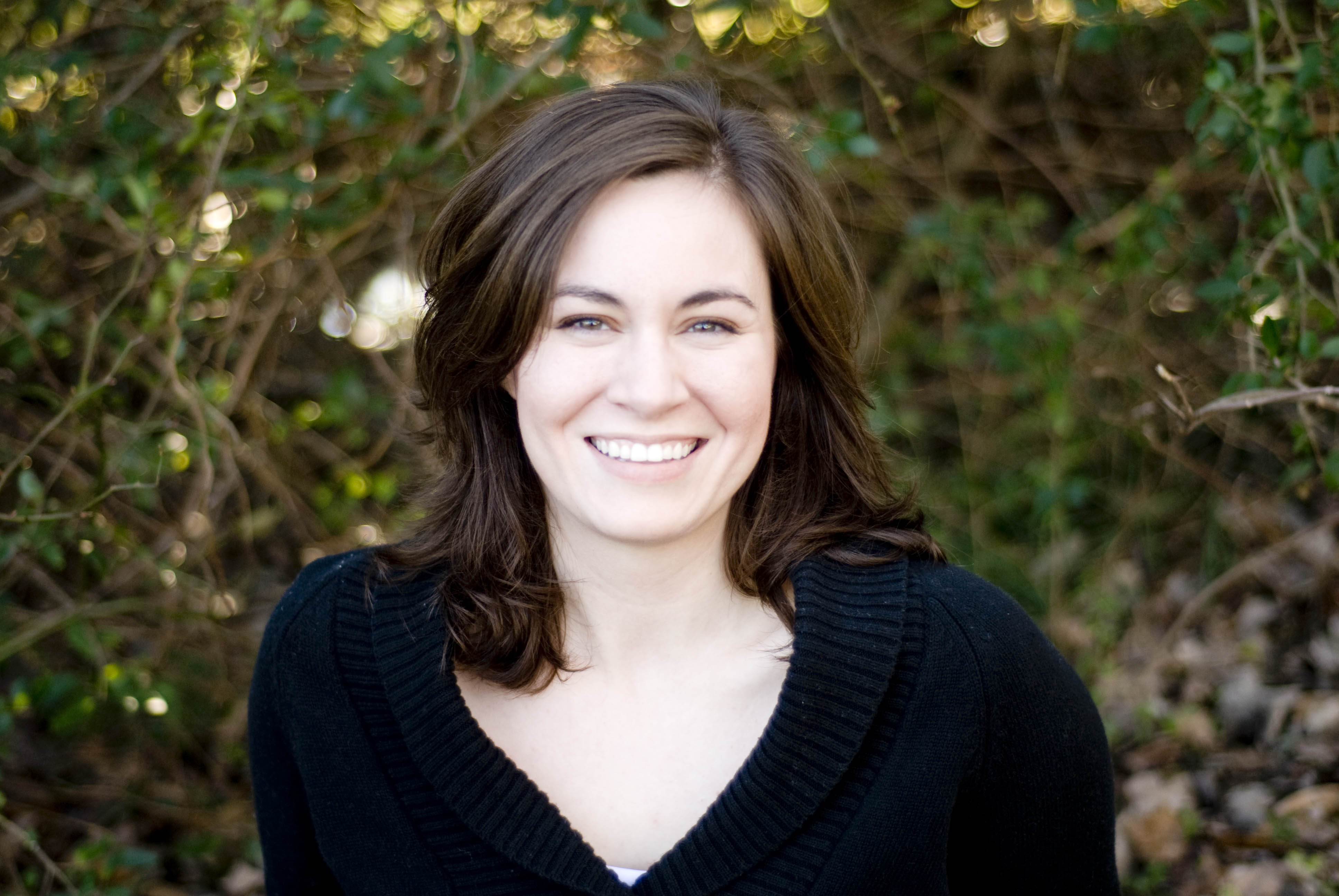
]]>
Anne Riley amazes me.
For a while, I’ve been thinking about writing a book but haven’t found the time to do it. But here’s Riley, a married mom of two little ones and a high school Spanish teacher in Birmingham, Ala. with everyday demands like many of us. Still, she manages to write books. Not just one book, but several. She wrote her first book when she was 24. Today, she’s 30.
To date, she’s written four books with plans for a fifth.
How does she do it?
“You just pick a time that works for you and you do your best to protect it,’’ says Riley, whose first novel, Shadows of the Hidden was released in 2012 through Compass Press. Recently, she secured a book deal with Spencer Hill Press to publish Pull another one of her young adult fiction books.
Riley will share some of her secrets on Saturday, Feb. 1 during the free workshop “How to Write While Having a Life’’ as part of the Authors Expo and Book Fair at the Birmingham Public Library.
Riley recently took a midday break to do a quick Q&A about writing.
Have you found that it’s hard to write while having a life?
“It’s challenging. I think you have to manage your time extremely well, and writing has to be something you have to work in.’’
What can people expect from your presentation?
“They can expect a couple of tricks to stay motivated. They can expect different methods of having a writing schedule, and they can expect encouragement from other writers.’’
So you have children, ages 1 and 3, at home. How does that work with writing?
“I don’t really do a lot of writing at home. Because I’m a teacher, my life is run by bells. I do know I will have a lunch period every day that should be free of interruptions. And there’s after school,’’ she says, adding that she may leave the house on the weekends to go write while her husband takes care of their children. She likes writing at a library or anywhere she can enjoy a good cup of coffee.
What’s been the worst writing advice you’ve received?
“Write what you know. It kind of traps you in your everyday life, and for me, writing is an escape,’’ she says. “Part of the fun is learning about new things or making up new things.’’
What’s been the best writing advice?
“Write the book you want to read.’’
Why?
“Because the more in love you are with the story, the better you will write it and the more fun you will have writing it.’’
To learn more about Anne Riley, visit annerileybooks.com.
The Authors Expo and Book Fair will be held 9 a.m. to 3 p.m. on Saturday, Feb. 1 at the Birmingham Public Library, 2100 Park Place. Riley’s workshop, “How to Write While Having a Life,” will be held at 10 a.m. At 1 p.m., See Jane Write will offer practical tips on how authors can use blogging and social media to reach readers and promote works. Both events, which will be held in the Arrington Auditorium, are part of a huge expo that will feature nearly 100 authors selling their books.
For more about the Authors Expo, visit bplonline.org.
Chanda Temple is director of public relations for the Birmingham Public Library. Before joining the library in 2012, she worked as a reporter for 19 years. Her last reporting job was as a features reporter at The Birmingham News in Birmingham, Ala., where she covered everything from cops and courts to fashion and elections. She’s received several awards for her stories and enjoys coaching students and adults on their writing, social media and networking skills. Follow her on Twitter @chandatemple.
]]>